When Is the Best Time to Visit Los Cabos for Beaches, Whales and Lower Heat?
6 min read
For the easiest all-round trip, choose January through March: days are milder, whale-watching is in season and the desert is comfortable away from the water. For swimming and snorkelling without peak-winter demand, choose May or early June. Late summer brings the greatest heat and the most weather uncertainty; it suits travellers who care more about warm water and fewer people than a packed excursion calendar. If your first priority is a short introduction to the coast, the Arch, Lover’s Beach and snorkelling trip lasts 2 hours, starts at €45.07, and has 4.9 stars from 375 reviews.
See dates and prices for the Arch and snorkelling trip
December to April: the comfortable season
Winter is the straightforward answer for visitors who want to combine boats, town walks and desert outings. The Los Cabos tourism board describes December to February as pleasantly mild. This is also when migrating whales become part of the view offshore. The trade-off is obvious: pleasant weather attracts the greatest winter demand, so the best departure times and smaller boats can disappear first.
January to March is particularly useful for a mixed itinerary. You can walk San José del Cabo without planning the whole day around shade, take an ATV into the dry interior, then go onto the water. Sea conditions still vary by day; a good month never guarantees a smooth crossing.
May and early June: better for water than whales
After the whale season, the reason to travel changes. May and early June work well when the holiday is mainly about beaches, snorkelling and time by the pool. The air and sea feel warmer than in midwinter, while the most oppressive part of summer has not necessarily arrived. You give up whale watching, but that is a better bargain than booking in winter and discovering that warm swimming mattered more to you than wildlife.
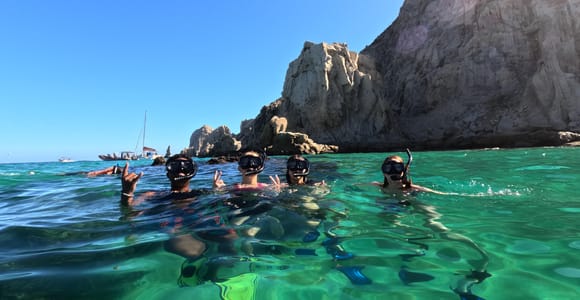
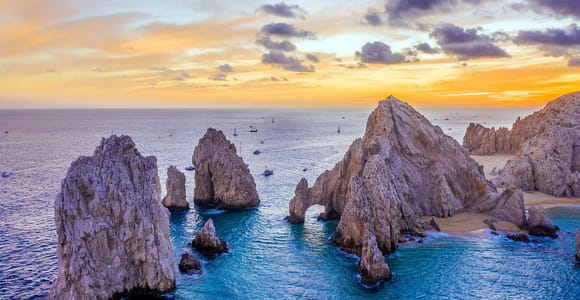
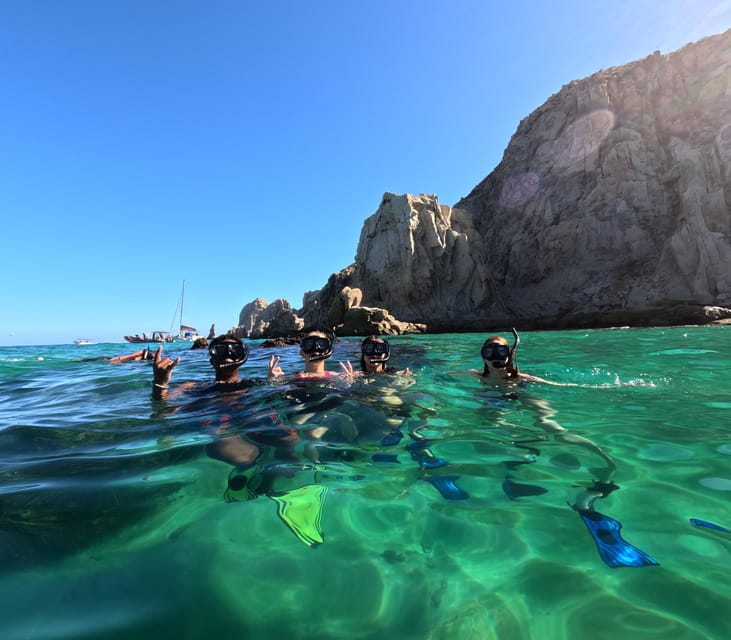
The two-hour Arch trip is a sensible first morning because it combines the Land’s End rocks, the sea-lion colony, caves around Lover’s Beach and snorkelling at Pelican Rock. It is not a full beach day.
July to October: heat changes the timetable
Summer and early autumn are not automatically bad months, but they require flexibility. Plan exposed walks early, leave spare days around boat activities and read the forecast close to departure. Tropical weather can disrupt the sea even when the sky over your hotel looks usable. Do not build a short stay around one irreplaceable boat booking.
Warm water and lighter crowds can be worthwhile, especially for travellers who are content to slow down at midday. This period is a poor fit for anyone who struggles in heat or wants long desert excursions. Travel insurance and a cancellable plan matter more than squeezing another activity into every day.
November is the in-between month
November often appeals because the fiercest heat is easing, yet the formal whale-watching season has not necessarily begun. Come for beach weather, fishing or the towns, not for a whale trip advertised on an approximate “winter” promise. If whales decide the holiday, use dates published for that season rather than assuming every December departure qualifies.
Our recommendation
Pick February for the broadest choice of comfortable land days and marine wildlife. Pick May when swimming, snorkelling and a calmer resort rhythm rank above whales. Whichever month you choose, use the Arch, Lover’s Beach and snorkelling trip as a compact first look at Cabo San Lucas rather than treating it as a substitute for a full day at the beach.